
Vagus Nerve
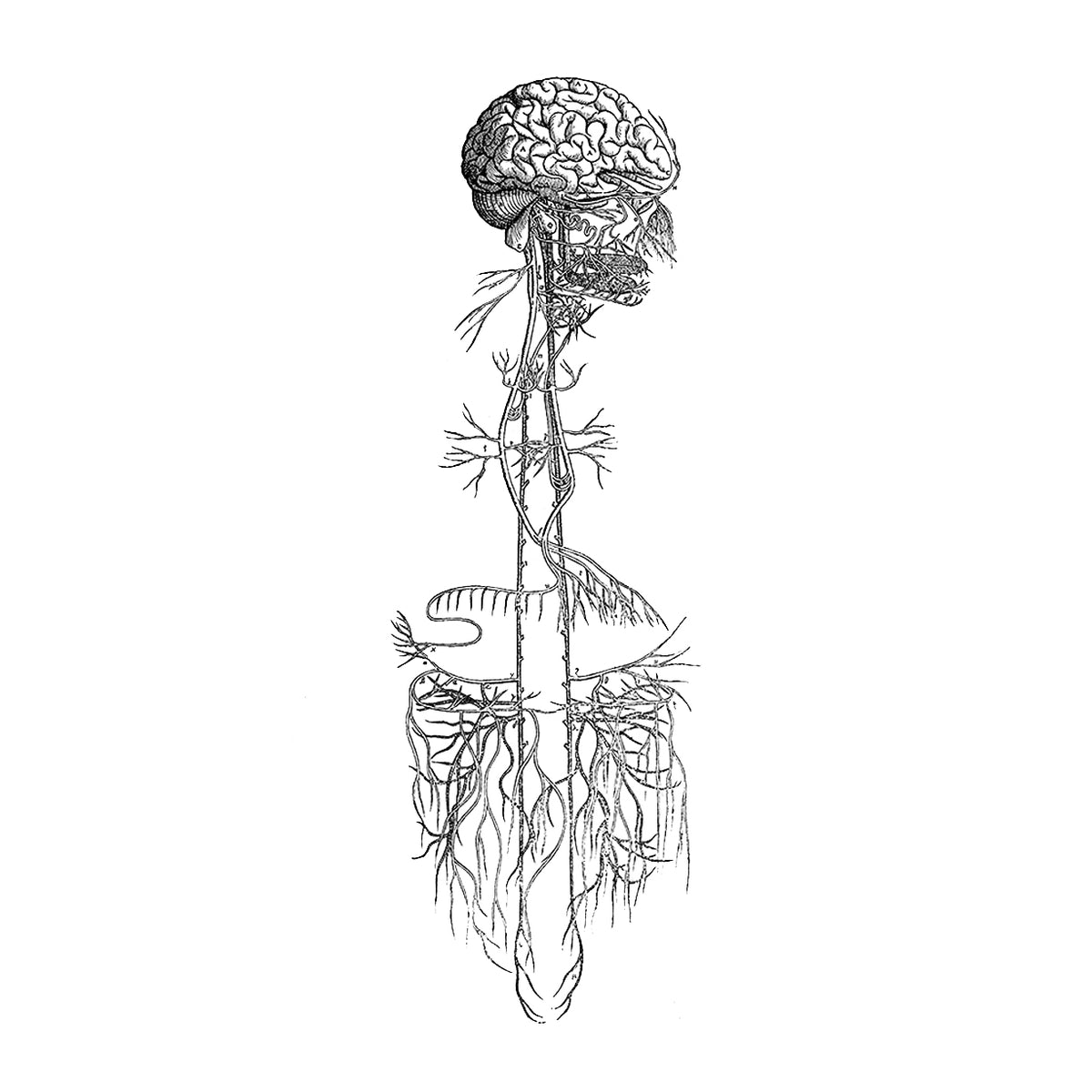
The vagus nerve, one of the longest cranial nerves in the human body, plays a crucial role in the autonomic nervous system, which regulates involuntary bodily functions. It extends from the brainstem to various organs, including the heart, lungs, and digestive tract. Stimulation of the vagus nerve has been linked to numerous health benefits, particularly in promoting relaxation and reducing anxiety.
Research indicates that vagus nerve stimulation (VNS) can lead to significant improvements in mental health. A study published in the journal "Neurosurgery" found that VNS can reduce the frequency of seizures in patients with epilepsy by up to 50%. Furthermore, VNS has been shown to alleviate symptoms of treatment-resistant depression, with some studies reporting response rates of approximately 30% to 40% in patients who have not benefited from traditional therapies.
In addition to its effects on mental health, vagus nerve stimulation has been associated with physiological benefits. For instance, VNS can enhance heart rate variability (HRV), a key indicator of autonomic nervous system function and overall health. Higher HRV is correlated with reduced stress levels and improved cardiovascular health. A meta-analysis published in "Frontiers in Psychology" highlighted that individuals with higher HRV tend to experience lower levels of anxiety and depression.
Moreover, vagus nerve stimulation may positively influence digestive health. The vagus nerve plays a vital role in regulating gut motility and secretion. Studies have suggested that VNS can improve gastrointestinal function, potentially benefiting individuals with conditions such as irritable bowel syndrome (IBS) and gastroparesis. A clinical trial demonstrated that patients receiving VNS reported a significant reduction in gastrointestinal symptoms compared to those who did not receive stimulation.
Furthermore, the anti-inflammatory effects of vagus nerve stimulation are gaining attention in the medical community. The vagus nerve is involved in the inflammatory reflex, which helps regulate the immune response. Research has shown that VNS can decrease levels of pro-inflammatory cytokines, potentially offering therapeutic benefits for chronic inflammatory conditions such as rheumatoid arthritis and inflammatory bowel disease.
In summary, the vagus nerve serves as a critical pathway for communication between the brain and various bodily systems. Its stimulation has been linked to a range of health benefits, including improved mental health, enhanced heart rate variability, better digestive function, and reduced inflammation. As research continues to evolve, the potential applications of vagus nerve stimulation in clinical practice may expand, offering new avenues for enhancing overall well-being.